Keeping your plants healthy starts with clean, pest-free soil. If you notice small insects crawling or flying around your potted plants, don’t worry—it’s a common problem. Insects in plant soil can damage roots, slow growth, and even kill your plants if not treated early. The good news is that you can get rid of them using simple, natural methods.
Why Are There Insects in Your Plant Soil?
Insects are typically attracted to moist soil, decaying organic matter, or overwatered plants. Common pests include fungus flies, ants, and small caterpillars. These insects lay their eggs in the soil, and once they hatch, they feed on roots and organic matter. Overwatering is a major culprit, as moist soil creates an ideal breeding ground for pests.
Let the Soil Dry Out
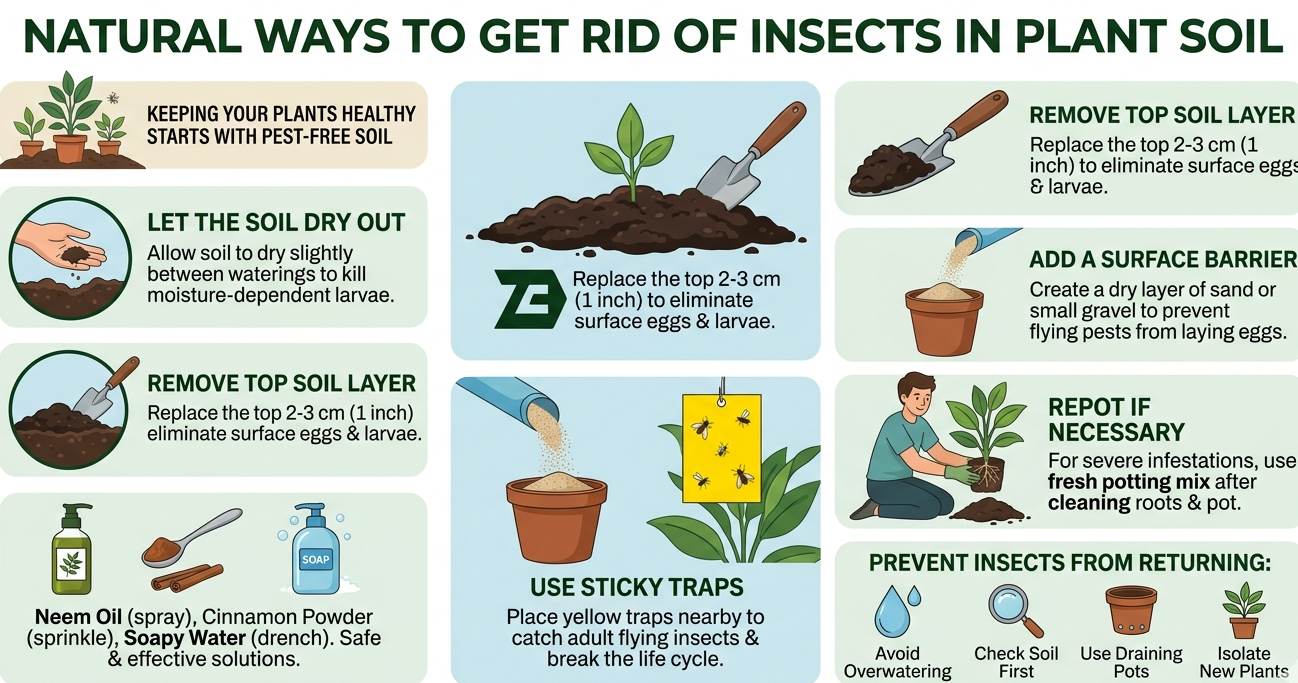
One of the easiest ways to get rid of insects is to let the soil dry out between waterings. Many pests, especially fungus mite larvae, need moisture to survive. When the soil dries out, the larvae die and prevent eggs from hatching. Be careful not to let your plant dry out completely; simply reduce watering slightly and monitor the soil.
Remove the top layer of soil
If you see insects on the surface, remove the top 2-3 cm of soil and replace it with fresh, clean soil. This helps eliminate eggs and larvae living near the surface. Always use high-quality potting soil to avoid introducing new pests to your plant.
Use natural remedies to Get Rid of Insects in Plant Soil
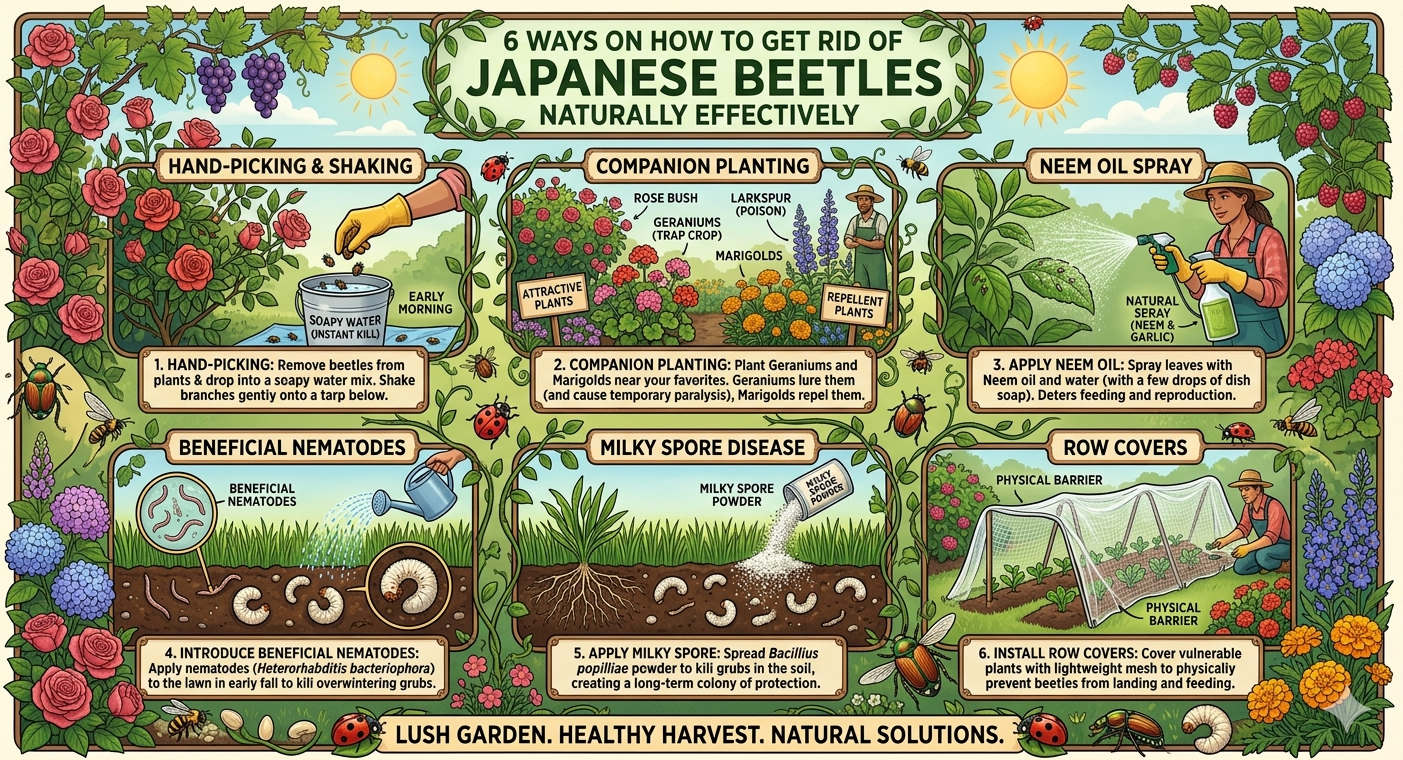
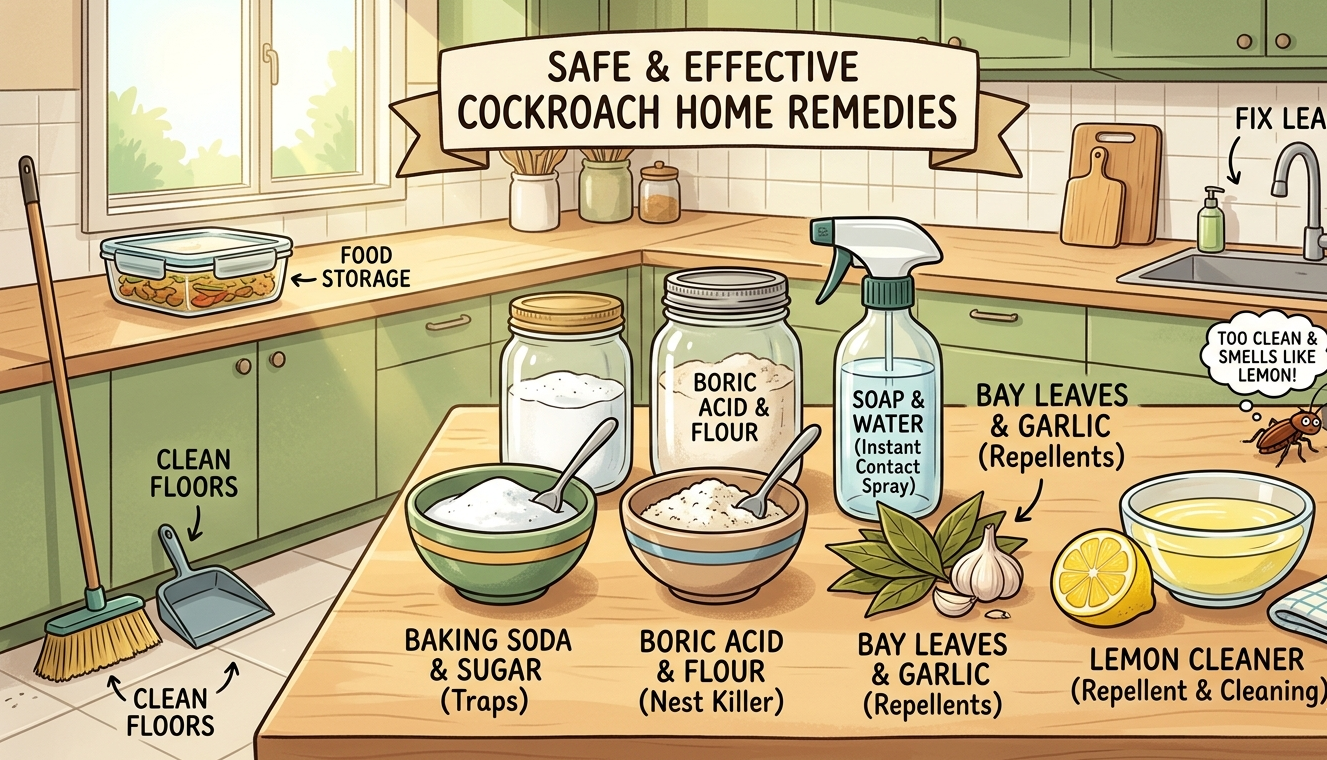
Natural solutions are safe and effective for getting rid of insects in plant soil. Neem oil is one of the best options. Mix a few drops with water and spray it on the soil. It kills insects and prevents them from multiplying.
You can also use cinnamon powder. Sprinkle a thin layer on the surface of the soil; it acts as a natural antifungal and helps prevent pests from spreading. Another simple trick is to use soapy water. Mix a few drops of mild dish soap with water, then gently pour the mixture onto the soil. This helps kill soft-bodied insects without harming your plant.
Try adding sand or gravel to the surface.
Adding a thin layer of sand or small gravel to the surface of the soil can prevent insects from laying eggs. It creates a dry barrier that pests, especially fungus flies, dislike. This method is simple yet very effective.
Use sticky traps
Yellow sticky traps are great for catching flying insects. Place them near your plants to catch adult insects before they lay more eggs. This helps break the insect life cycle and quickly reduce the infestation.
Repot if necessary
If the infestation is severe, repotting is the best solution. Remove the plant from its pot, gently clean the roots, and replace the soil with fresh, pest-free potting mix. Be sure to clean the pot before reusing it to prevent the infestation from returning.
Preventing the insects from returning
Prevention is just as important as cure. Avoid overwatering your plants, and always check the soil before watering. Use well-draining pots and keep your plant environment clean. Isolate new plants for a few days before placing them near other plants to ensure they are pest-free.
Bottom Line
Removing insects from plant soil isn’t difficult. By following simple steps like drying the soil, using natural remedies, and maintaining proper care, you can protect your plants and keep them healthy. Regular monitoring and good practices will ensure your plants remain strong and pest-free all year round.