Soil mites can look scary when you spot tiny crawling bugs in your plant soil, but here’s the truth: most soil mites are actually harmless and even helpful. They feed on decaying organic matter and improve soil health. However, if their population grows too much, you may want to control them without harming your plants.
What Are Soil Mites and Why Do They Appear?
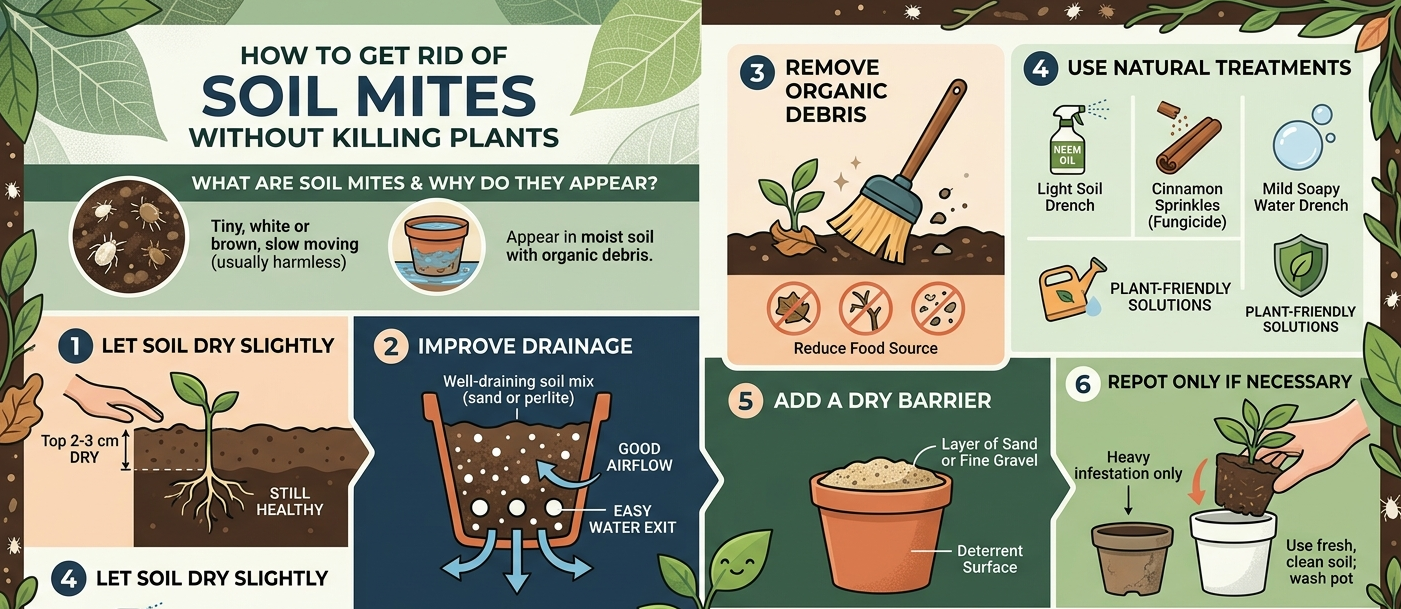
Soil mites are tiny insects that live in moist soil. They are usually white or brown and move slowly across the surface. They appear when the soil stays too wet or contains a lot of organic material. Overwatering and poor drainage are the main reasons they multiply quickly.
Let the Soil Dry Slightly
The safest and most effective way to reduce soil mites is to control moisture. Mites thrive in damp conditions, so letting the top layer of soil dry out can significantly reduce their numbers. Make sure you don’t completely dry out the plant—just allow the top 2–3 cm to dry before watering again.
Improve Drainage
Good drainage keeps your plant healthy and makes the environment less attractive to mites. Use pots with drainage holes and well-draining soil. You can mix in sand or perlite to improve airflow and prevent water from sitting in the soil.
Remove Organic Debris
Soil mites feed on decaying matter like dead leaves or plant debris. Clean the surface of your soil by removing fallen leaves or old plant material. This reduces their food source and naturally lowers their population.
Use Natural Treatments
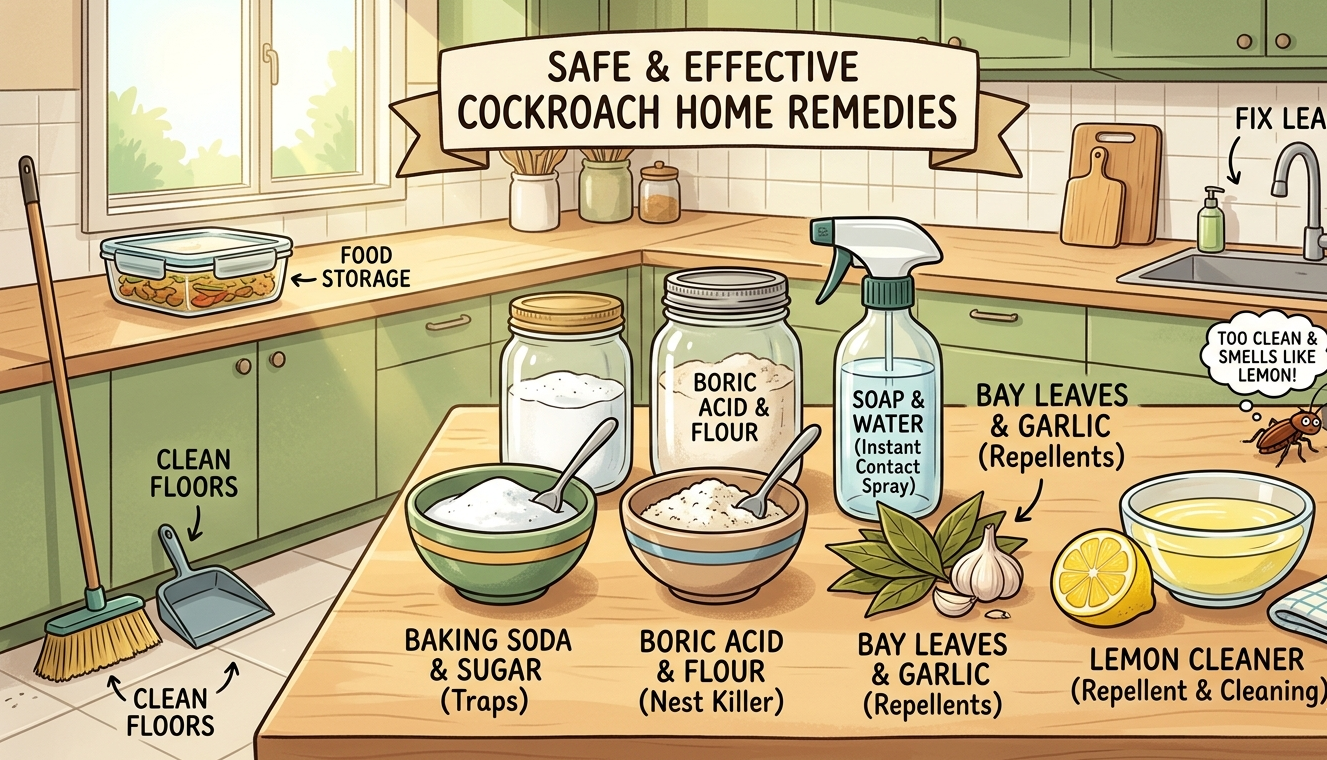
If you want to take extra steps, there are safe, plant-friendly solutions you can try. Neem oil is a popular natural option. Mix a small amount with water and lightly apply it to the soil. It helps control mites without harming your plants.
Cinnamon is another gentle remedy. Sprinkling a thin layer on the soil can help reduce pests and fungal growth. You can also use a mild soapy water solution. Pour it lightly into the soil to target mites while staying safe for most plants.
Add a Dry Barrier
A layer of sand or fine gravel on top of the soil can help keep mites under control. It dries quickly and creates an environment that mites don’t like, reducing their activity.
Repot Only If Necessary
In most cases, soil mites don’t require drastic action. But if the infestation is very heavy, you can repot your plant using fresh, clean soil. Be gentle with the roots and wash the pot before reusing it.
Prevent Future Problems
To keep soil mites from coming back, avoid overwatering and always check soil moisture before watering. Keep your plants clean and use quality potting mix. Proper care is the best long-term solution.
Final Thoughts
Soil mites are usually not harmful, but if you prefer to reduce them, simple steps like drying the soil, improving drainage, and using natural remedies can solve the problem. The key is balance—protect your plant while gently controlling the mites.